
On this page...
The Iowa DOT, often in cooperation with the Federal Highway Administration, works to identify and avoid historic properties as part of compliance with the National Historic Preservation Act (NHPA) of 1966 (as amended). This practice is often referred to as the Section 106 process.
Through Section 106 the Iowa DOT works with historic properties such as bridges, barns, archaeological sites, places of religious or cultural significance, historic cemeteries, and historic districts. Additionally, the Iowa DOT and the FHWA consult with various parties about historic properties.
The goal of Section 106 is to identify historic properties potentially affected by a project, assess potential impacts of the project and seek ways to avoid, minimize or mitigate any adverse effects on historic properties.
Back to topStory Maps
Back to topHistoric Bridges
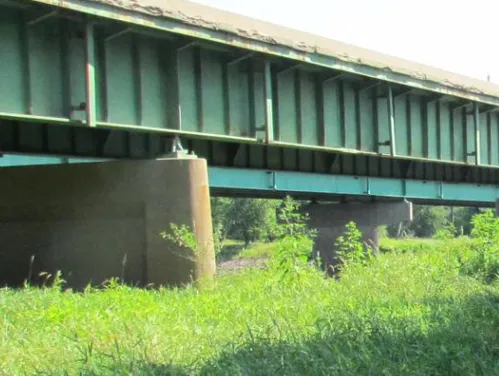
Information and photographs of a wide range of historic bridges such as metal truss bridges, concrete arch and beam bridges, steel bridges, and the magnificent covered bridges of Madison County.
Learn more about Iowa's historic bridges
Back to topProgrammatic Agreement
The Iowa DOT, the Federal Highway Administration, the State Historic Preservation Officer and the Advisory Council on Historic Preservation have finalized their Programmatic Agreement that has established an updated process for compliance with the National Historic Preservation Act. This agreement was developed to establish an efficient and streamlined program for Section 106 compliance in Iowa.
Back to top