
Content Information
Design Considerations
Two lane highways should have 12 foot pavement widths for both lanes. For PCC pavement widening, use Standard Road Plan PV-105. For HMA pavement widening, use Standard Road Plan PV-203. The thickness of the widening unit plus overlay should total a minimum of 8 inches, see Figure 1.
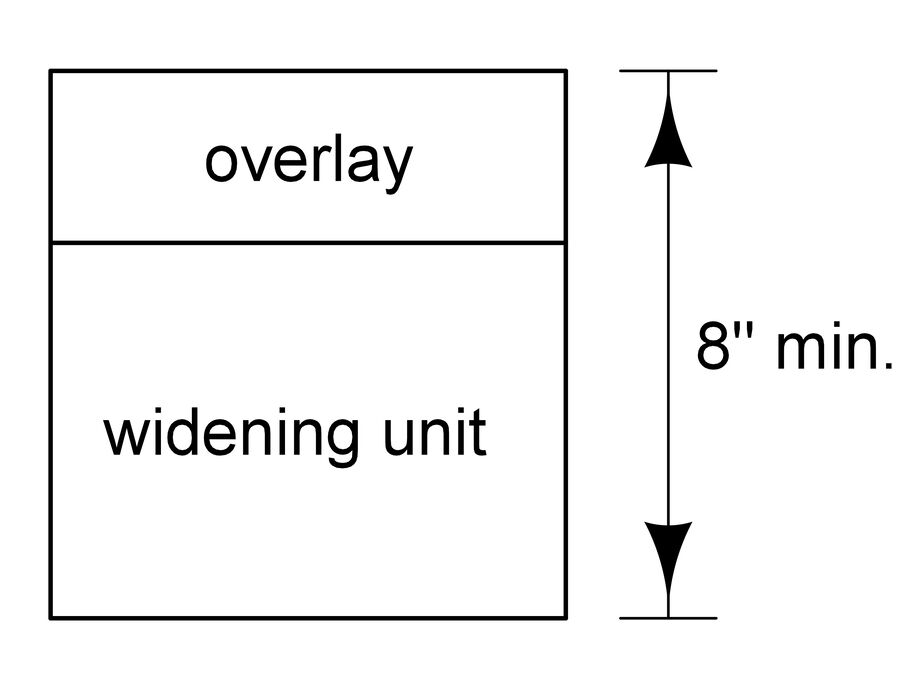
Figure 1: Minimum pavement widening thickness.
Areas where a widening unit has already been placed should be evaluated on a case-by-case basis to determine if an additional widening unit is appropriate. In most cases, the roadway will be widened.
If the paved portion of the shoulder after widening will be less than 4 feet, a safety edge (see 3C-6 and Standard Road Plan PV-3) should be included on the widening unit or overlay.
Fillets should be used at non-paved sideroads. Runouts should be used at paved sideroads. At entrances, designers have the option to include fillets where the pavement has been widened to 12 feet if other entrances along the corridor already have them. However, fillets already in place due to earlier resurfacing projects should be resurfaced.
Counties have expressed an interest in paying for placing fillets that extend out 50 feet or more (see Design Detail 7149) at non-paved sideroads. This allows counties to grade their non-paved roads without their equipment infringing on the primary highway. Designers should take advantage of this whenever possible. Since counties will need to budget for this, designers should contact counties as early as possible in the design process.
Back to topHighways That Should Not Be Widened
Highways with less than a 32 foot top (width of existing lanes and shoulders) should not be widened because a minimum two foot granular shoulder is desirable outside of the pavement to stabilize the widening unit.
Back to top